Skillbryn is an independent course aggregator. We may earn a commission when you click through.
Fashion Consulting vs Furniture Design: Which Skill Path Fits?
Compare 10 beginner creative courses by study time, practical outcomes, reviews, and career direction before choosing your next skill path.
You're choosing between creative courses that lead to very different kinds of work. Fashion Consulting 1 takes 18 hours and focuses on colour, styling, trends, and wardrobe advice. Planned Furniture Designer takes 16 hours and introduces materials, technical drawing, and 3D modelling. The right pick depends less on which title sounds exciting and more on the work you can picture doing repeatedly.
The course pages provide study length, level, review counts, and broad subject descriptions, but they do not list prices or formal certificate details. Treat them as introductory learning tracks rather than proof of professional qualification. Clicking a course card redirects you to the third-party platform hosting the listing.
Client-facing creative pathways
Fashion, interiors, and event work all involve taste, presentation, and client decisions. The difference is the evidence you can build: a styling recommendation, a room concept, or a complete event setup. Review counts also matter here because they give a small signal about learner engagement, although they are not a substitute for a syllabus or portfolio.
Fashion Consulting Course
Fashion Consulting 1 is the strongest starting point for someone who enjoys advising people rather than making garments. The 18-hour beginner course covers fashion history, colour analysis, trends, wardrobe personalisation, and client style advice, giving it a broader consulting brief than Cut and Sew. Its single listed review is a thin evidence base, and the page does not confirm a certificate, assessment, or portfolio project. Choose it if you want to practise creating style recommendations and moodboards; skip it if you need technical garment construction or a recognised qualification.

Interior Decoration Course
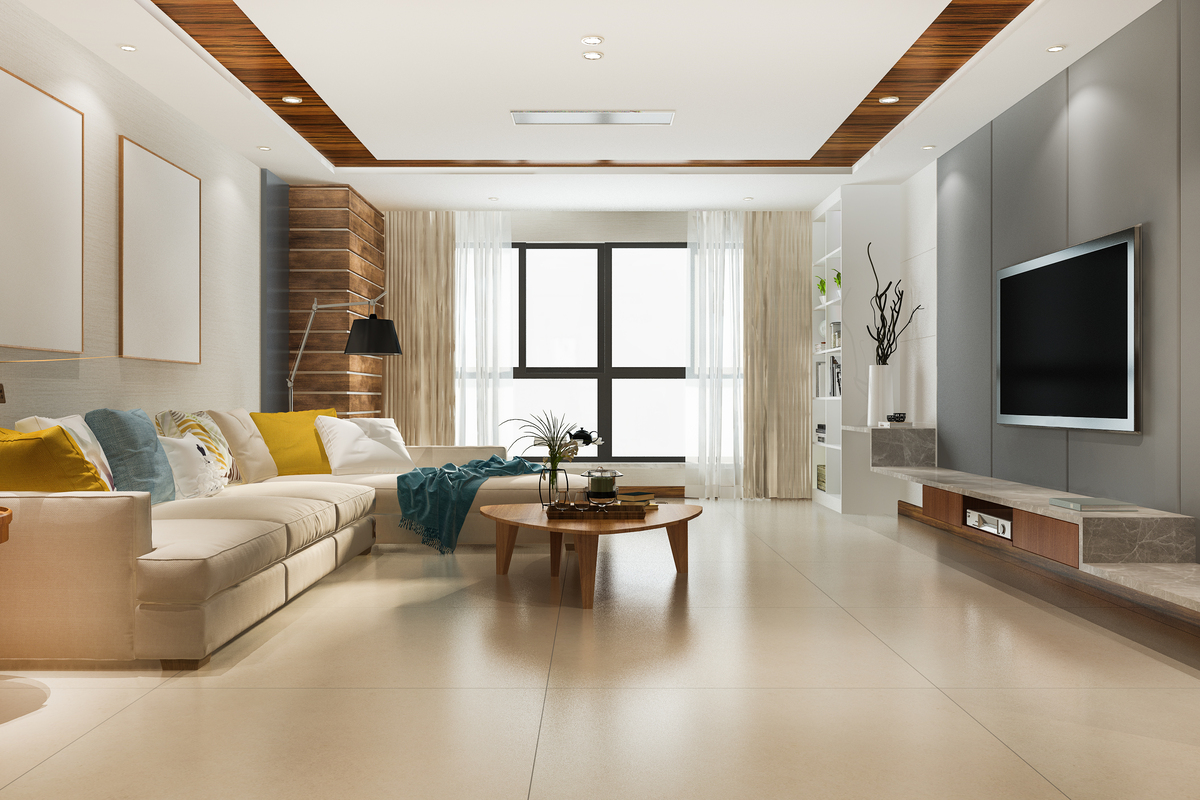
Interior Decoration shifts the same visual instincts into rooms, furniture, accessories, and colour composition. At 18 hours and beginner level, it matches Fashion Consulting 1 for a manageable first step, but its seven reviews provide a slightly stronger engagement signal. The description mentions planning object layouts and combining furnishings, though it does not confirm software training, measured drawings, or industry accreditation. This suits a career starter building room concepts for friends, small clients, or a home-styling portfolio; Planned Furniture Designer is the better route for technical design.
Free Online Party Decoration Course
Party Decoration is the practical, event-focused alternative: 18 hours, beginner level, and six reviews, with content covering birthdays, weddings, corporate events, and themed celebrations. The page describes the course as free, which gives it a clear accessibility advantage over any option whose price is not published. Its weakness is depth; the available description does not confirm budgeting, supplier management, venue safety, or business planning. Pick it if you want to test a weekend service idea quickly, not if you are aiming for interior design or formal event management.
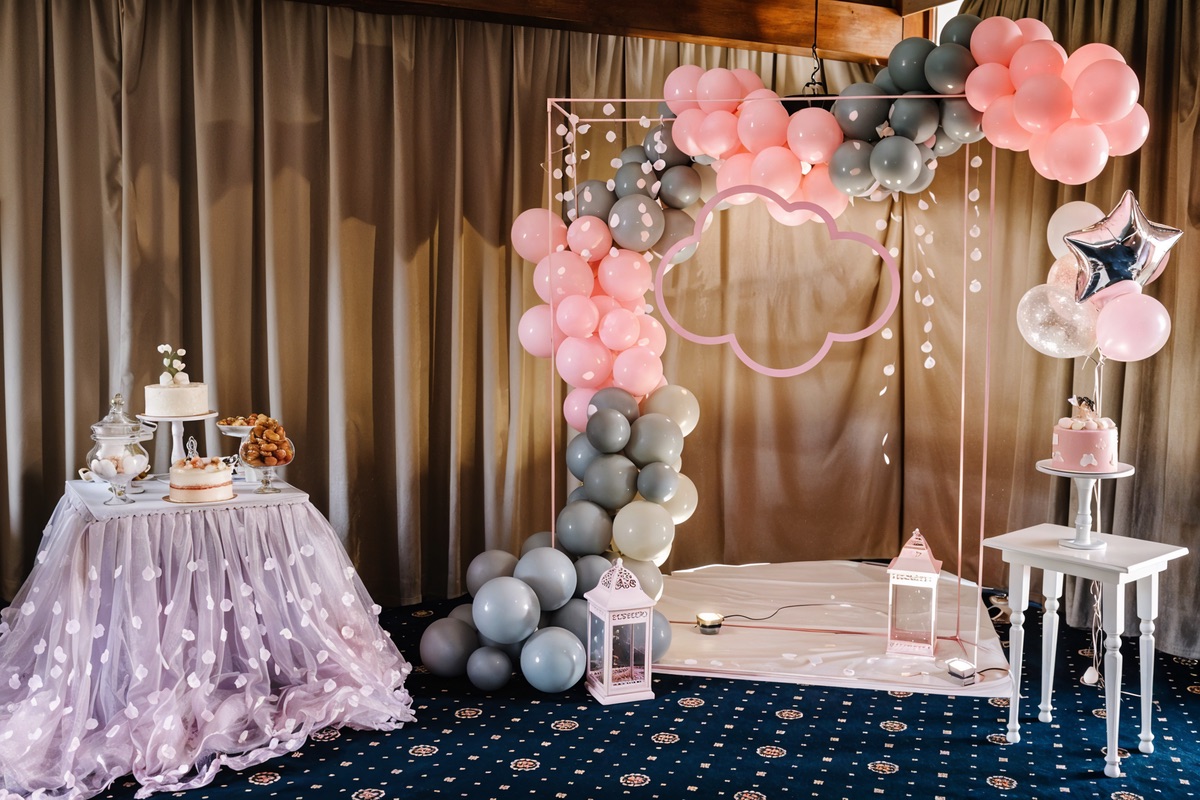
Those four courses share a client-facing angle, but their outputs are different: style advice, room concepts, event decoration, or organised spaces. A useful test is to imagine your first unpaid portfolio piece. If you would rather assemble a wardrobe plan, choose fashion; if you would rather transform a room or event setting, stay with the design-focused tracks.
Hands-on making and technical design
The second group gives you something more tangible to practise. Fabric construction, nail art, floral arrangements, and furniture planning can all produce visible work, but the tools and client expectations vary sharply.
Planned Furniture Designer Course
Planned Furniture Designer is the most career-specific course in the list because it names industry materials, technical drawings, and 3D modelling rather than relying only on aesthetic judgement. It takes 16 hours, is beginner level, and has two reviews. Compared with Interior Decoration, this track points more directly towards custom furniture work, but the page does not identify the design software, file formats, or whether learners complete a buildable project. Choose it if you are comfortable with spatial thinking and want a portfolio based on layouts and furniture concepts.

Cut and Sew Course
Cut and Sew is the hands-on fashion counterpart to Fashion Consulting 1. Its 16-hour beginner structure covers fabric handling, tools, modelling, and finishing, with five reviews listed. That makes the learning outcome more physical and demonstrable: you can practise making pieces rather than only recommending them. The course page does not specify garment types, equipment requirements, or assessment, so budget for your own materials and check the module list first. Pick this route if you want to build a small clothing portfolio or learn alterations; styling clients will need the consulting course instead.

Florist Course
Florist offers a 20-hour beginner path with two reviews and a clear focus on arrangements, bouquets, flowers, foliage, colour combinations, and occasion-based decoration. It sits between craft and service business: the finished work can become a portfolio, but the listing does not confirm pricing, sourcing, delivery logistics, or flower care beyond the introductory description. Compared with Party Decoration, it gives you a narrower visual craft and a more defined product. Choose it if you want to practise event flowers or small arrangement orders rather than broad venue styling.

Technical and craft courses have one advantage over purely advisory study: your progress is easier to show. A finished sample, arrangement, drawing, or model can become evidence of skill. The limitation is equally practical—you may need materials, tools, or software that the course page does not include.
Short beauty skill tracks
Beauty courses offer the quickest routes in this comparison, but shorter study time does not mean lower responsibility. Client safety, hygiene, consultation, and practice matter just as much as the creative technique.
Decorated Nails Course
Decorated Nails is the shortest course here at 12 hours, yet it has the highest review count with 13. The beginner content moves from basic concepts to more advanced decoration techniques, making the progression easy to understand. The page does not confirm whether practical demonstrations, product lists, sanitation guidance, or a certificate are included, so do not treat completion as permission to work professionally without further training. This suits someone testing nail art as a creative side service and wanting a fast practice loop.

Eyebrow Design Course
Eyebrow Design takes only 10 hours and covers measurement, hair removal, colouring, and adapting shapes to individual facial features. That is the shortest study commitment in the comparison, with two reviews, but the course description leaves important professional questions unanswered: hygiene standards, contraindications, supervised practice, and local requirements are not stated. Compared with Decorated Nails, it is more consultation-led and dependent on precision. Choose it as an introductory theory track if you are prepared to seek hands-on practice before charging clients.

Fashion Consultancy Course
Fashion Consultancy 2 covers colour theory, trend analysis, the consultant role, and practical examples in 18 hours at beginner level, but it has no listed reviews. Its focus overlaps heavily with Fashion Consulting 1, which has one review and a similarly broad description. I would choose the first course for the slightly stronger evidence signal, then consider this version only after comparing the module outlines for duplicated content. It suits a learner who wants a second introductory fashion perspective, not someone expecting advanced styling or a formal industry credential.

The verdict
Pick Planned Furniture Designer if you want the clearest bridge from beginner study to a design portfolio: it is 16 hours, introduces technical drawings and 3D modelling, and points towards a defined custom-furniture sector. Choose Fashion Consulting 1 if your strength is advising people and building style recommendations rather than producing technical designs.
For the fastest low-commitment experiment, Eyebrow Design takes 10 hours, while Decorated Nails has the strongest review signal at 13 reviews. Party Decoration is the only listing explicitly described as free, making it the easiest course to test without a published price. None of the pages confirms a recognised certificate, so check the third-party course platform’s current modules, assessment, materials, and certificate terms before enrolling.
The practical next move is simple: select one course, create one small portfolio piece, and use that result to decide whether the skill deserves a deeper certificate track. A short course should open a pathway, not pretend to finish it.
 Beharv